 Skip to content
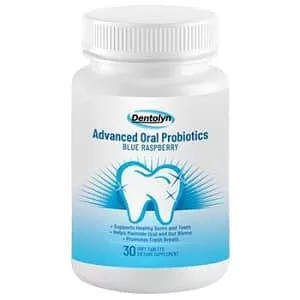
When I first heard about Dentolyn, the pitch sounded familiar: a compact daily tablet formulated to “support healthy gums and teeth, help maintain oral and gut biome and promote fresh breath.” What caught my attention — and eventually convinced me to try it — was the ingredient mix and the promise that it delivers a simple, one-tablet-per-day routine. After several weeks of using Dentolyn, here’s a clear, practical review from the perspective of a real user who wanted a low-effort way to support oral health and fresher breath.
Table of Contents
Quick summary: What Dentolyn claims to do
Dentolyn positions itself as an oral-health supplement designed to:
- Support healthy gums and teeth;
- Help maintain a balanced oral and gut biome;
- Promote fresher breath.
It’s sold as a daily tablet containing a concise set of ingredients: Vitamin C (calcium ascorbate), Vitamin B6 (pyridoxal 5′-phosphate), iodine, xylitol, chlorella powder, clinoptilolite zeolite powder and magnesium stearate.
This Dentolyn review explains how the product is formulated, what I experienced using it, potential benefits and considerations and whether it’s worth adding to your routine.
Why I chose Dentolyn
I wanted a product that would:
- Complement daily brushing and flossing (not replace them);
- Be easy to take (one tablet);
- Use ingredients with plausible mechanisms for gum and oral support;
- Avoid large pages of unnecessary fillers.
Dentolyn’s compact formula and the inclusion of xylitol — a sugar substitute widely used in oral-care products — seemed promising. The presence of nutrients like Vitamin C and Vitamin B6 also lent credibility, since those vitamins have known roles in tissue health and metabolic function.
What’s inside Dentolyn — ingredient breakdown and practical implications
Below is a plain-language look at the ingredients and what they might realistically contribute. I avoid absolute health claims and use the language of “may help” or “support,” which is accurate for dietary supplements.
Vitamin C (calcium ascorbate)
Vitamin C supports collagen formation, which is important for gum tissue. Calcium ascorbate is a buffered form of vitamin C that tends to be gentler on the stomach than ascorbic acid. For anyone aiming to support gum resilience, a reliable source of vitamin C is a sensible inclusion.
Vitamin B6 (pyridoxal 5′-phosphate, P5P)
P5P is the active form of vitamin B6. B6 plays roles in amino acid metabolism and immune support — factors that indirectly contribute to overall tissue health and recovery.
Iodine
Iodine supports thyroid function when taken in recommended amounts. As an ingredient in an oral-health tablet, its presence is minor but relevant for people monitoring iodine intake. If you have thyroid disease or are on medication for thyroid disorders, check with your clinician before taking any product containing iodine.
Xylitol
Xylitol is commonly used in sugar-free gum and oral-care products to help reduce the growth of certain oral bacteria and to promote saliva flow — both can contribute to fresher breath and fewer cavities when used as part of regular oral hygiene.
Chlorella Powder
Chlorella is a green algae often used as a nutrient-dense supplement. It provides vitamins and minerals and is thought by some users to support detoxification and gut health. Evidence specifically linking chlorella to improved gum health is limited, but as part of a broader formula, it may contribute micronutrients.
Clinoptilolite Zeolite Powder
Clinoptilolite is a naturally occurring mineral (a type of zeolite) marketed for its adsorbent properties. In supplements, proponents suggest it can bind unwanted compounds in the gut. Scientific support is mixed, so consider this ingredient experimental rather than established.
Magnesium Stearate
A common excipient used to aid tablet manufacturing and stability. It is inert and present in many dietary supplements.
How I used Dentolyn (simple regimen that fits busy lifestyles)
Dentolyn recommends one tablet per day. I took it with breakfast for convenience. The tablet swallowed easily and did not upset my stomach. Because this is a supplement rather than a treatment, I treated Dentolyn as a complement to my regular oral hygiene routine: brushing twice daily, flossing and regular dental check-ups.
My results after four weeks — what changed and what didn’t
Here’s an honest account of what I noticed:
Positive changes
- Fresher breath between brushings. I noticed that mid-day breath felt fresher, which I attribute primarily to xylitol and improved saliva balance.
- Slight perceived improvement in gum comfort. My gums felt a bit less prone to minor irritation after a couple of weeks. This is subjective but consistent with adding vitamin C and supporting nutrients.
- Simplicity. One tablet per day is low friction. That alone made it easier to be consistent than juggling multiple supplements.
Things that didn’t change
- No instant miracle. Dentolyn isn’t a replacement for dental treatment. It didn’t reverse major gum issues or replace flossing and professional cleanings.
- No dramatic whitening or tooth repair. Expect support, not restoration.
Who should consider Dentolyn?
Consider Dentolyn if you:
- Want an easy daily supplement to complement oral hygiene;
- Are interested in supporting gum tissue and fresher breath with a one-tablet routine;
- Prefer formulas that include xylitol and known vitamins instead of long ingredient lists.
Avoid or exercise caution if you:
- Have thyroid disease or take thyroid medication (because of iodine);
- Are pregnant, breastfeeding or on multiple prescription medications — talk to your clinician first;
Safety, testing and practical concerns
The product copy indicates ingredients are tested for purity and contaminants. As with any supplement:
- Look for products that offer third-party testing or certificates of analysis (COAs).
- Check the dosage and ask your provider whether the iodine and other ingredients are appropriate for your personal health profile.
- Store supplements safely and keep them out of reach of children and pets.
Pros and cons
Pros:
- Simple, one-tablet daily routine.
- Contains xylitol and vitamin C — ingredients that support oral environment and tissue health.
- User-friendly for people with busy schedules.
Cons:
- Contains iodine — requires caution for those with thyroid conditions.
- Some ingredients (e.g., clinoptilolite zeolite) have limited clinical evidence for oral-health claims.
- Not a substitute for professional dental care.
Final verdict — is Dentolyn worth buying?
If you are looking for a low-effort, daily supplement to support healthy gums, help maintain oral and gut biome balance and promote fresher breath, Dentolyn is worth considering. My experience was that it provided noticeable improvements in breath freshness and support for gum comfort when used alongside standard oral hygiene habits.
Dentolyn is most appropriate for people who want preventive, maintenance-focused supplementation rather than a medical treatment for existing periodontal disease. Always consult your dentist or physician if you have active dental problems or health conditions, particularly thyroid issues (because of iodine) or immune disorders.
How to decide
- Do you brush and floss regularly? If yes — Dentolyn is a sensible add-on.
- Do you have thyroid disease? Consult a clinician before starting.
- Are you seeking a single-daily tablet? Dentolyn fits that need.
- Want documented third-party testing? Look for COAs or proof of purity before purchase.
If you want to try Dentolyn, look for the official product page or authorized retailers to ensure authenticity and product quality. Start with the manufacturer’s recommended dose — one tablet per day — and monitor how you feel over the first 4–8 weeks. Keep using your regular oral hygiene routine and schedule routine dental check-ups.
Dentolyn can be a convenient tool in an oral-care toolkit: it’s compact, ingredient-focused and easy to take daily. For people seeking better breath and gentle support for gums without complicated regimens, Dentolyn is a practical option to evaluate.

[…] claims: DentiLock is formulated to help support healthy gums and teeth, maintain the oral and gut biome and promote fresh breath — all framed as supportive, […]
[…] is a 21-ingredient oral health supplement formulated to support gum integrity, promote remineralization and support fresh breath through a […]
[…] Individuals concerned with fresh breath and oral ecology. Xylitol and chlorella make this formulation particularly relevant for breath support and a balanced oral biome. […]